News Biophilia and blooms in time-lapse
Biophilia, blooming flowers, and greenery have taken on greater importance in recent times. We have had to make the most of our outdoor areas and this has made us truly appreciate the natural world that surrounds us. Be it country fields, a back garden, or a house plant display, the pandemic has got us noticing and re-engaging with nature and biophilic design. With such an increased connection with nature, now is a good time to look at how time-lapse videos capture the beauty of unfurling flowers and blossoming plants.
What is Biophilia?
Biophilia, according to the theory of biologist Edward O. Wilson is an innate and genetically determined affinity of human beings with the natural world. Biophilia focuses on our deep-seated attraction and love of nature and its importance to our health and well-being. Nature is important in all settings, but as urban environments grow it is important for our health and well-being that nature is accessible.
What is Biophilic Design?
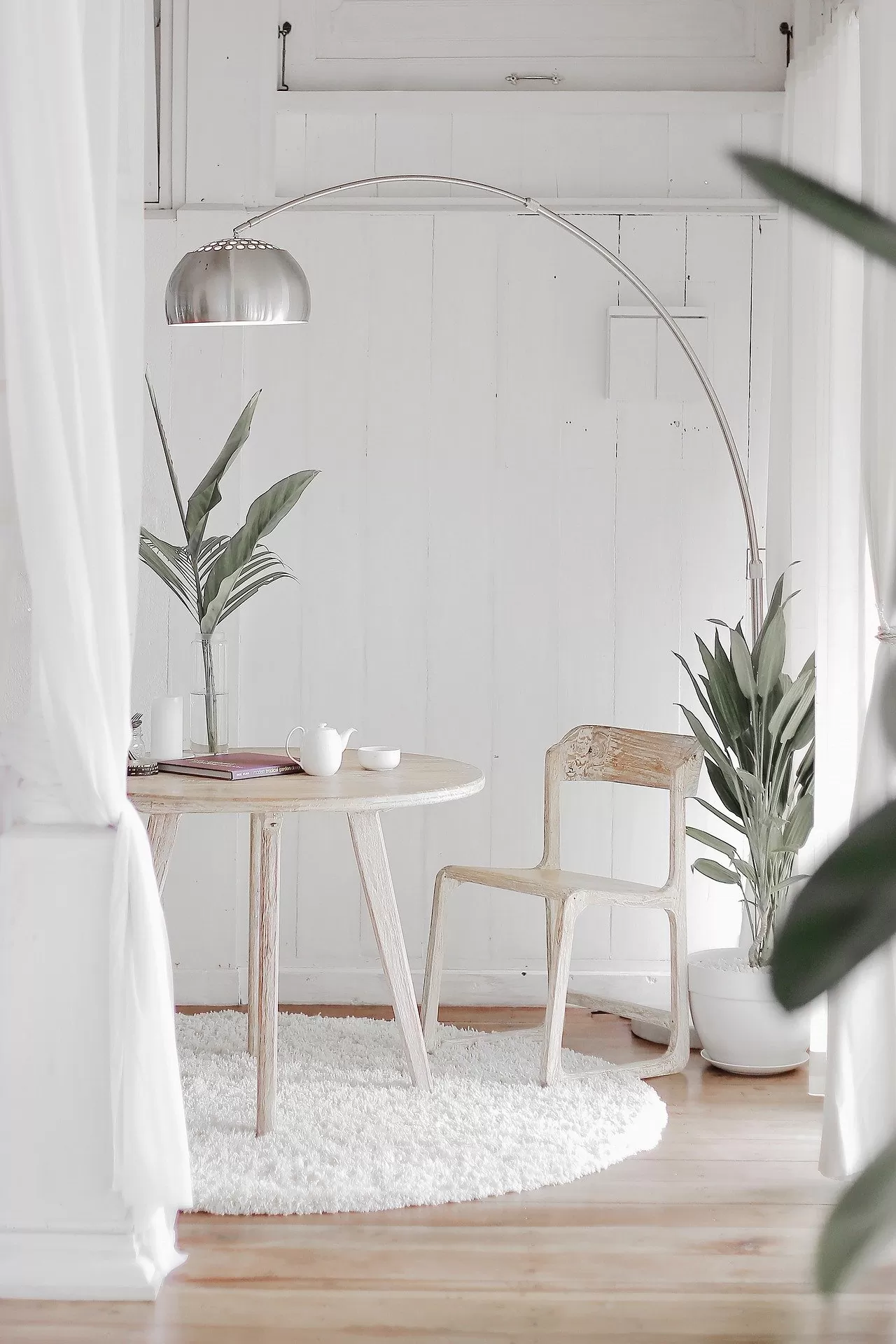
Biophilic design incorporates natural elements into buildings, interiors, and urban settings. It has been gaining popularity and it has reached further prominence throughout the pandemic. By adding elements of nature into the built environment it has been demonstrated through research to reduce stress, decrease blood pressure levels and heart rates.
Its importance is reinforced by the fact that forward-thinking companies such as Amazon, Apple, and Google are investing in it for their employees. Biophilia is reported to increase productivity, creativity, and levels of well-being. In Seattle, Amazon has created The Spheres, a beautiful greenery-filled build, so that employees can be immersed and inspired by nature.
Architects are now more prone to add natural elements into urban designs, such as at One City Road, Manchester by Jon Matthews Architects. Combined with the sleek urban office environment, there will be internal winter gardens and terraces on each level to promote wellbeing in the workplace. Whilst at ground level the two office buildings will be united with an urban glasshouse planted with exotic foliage. Using this biophilic design means office workers can be surrounded by greenery.
Biophilia at home
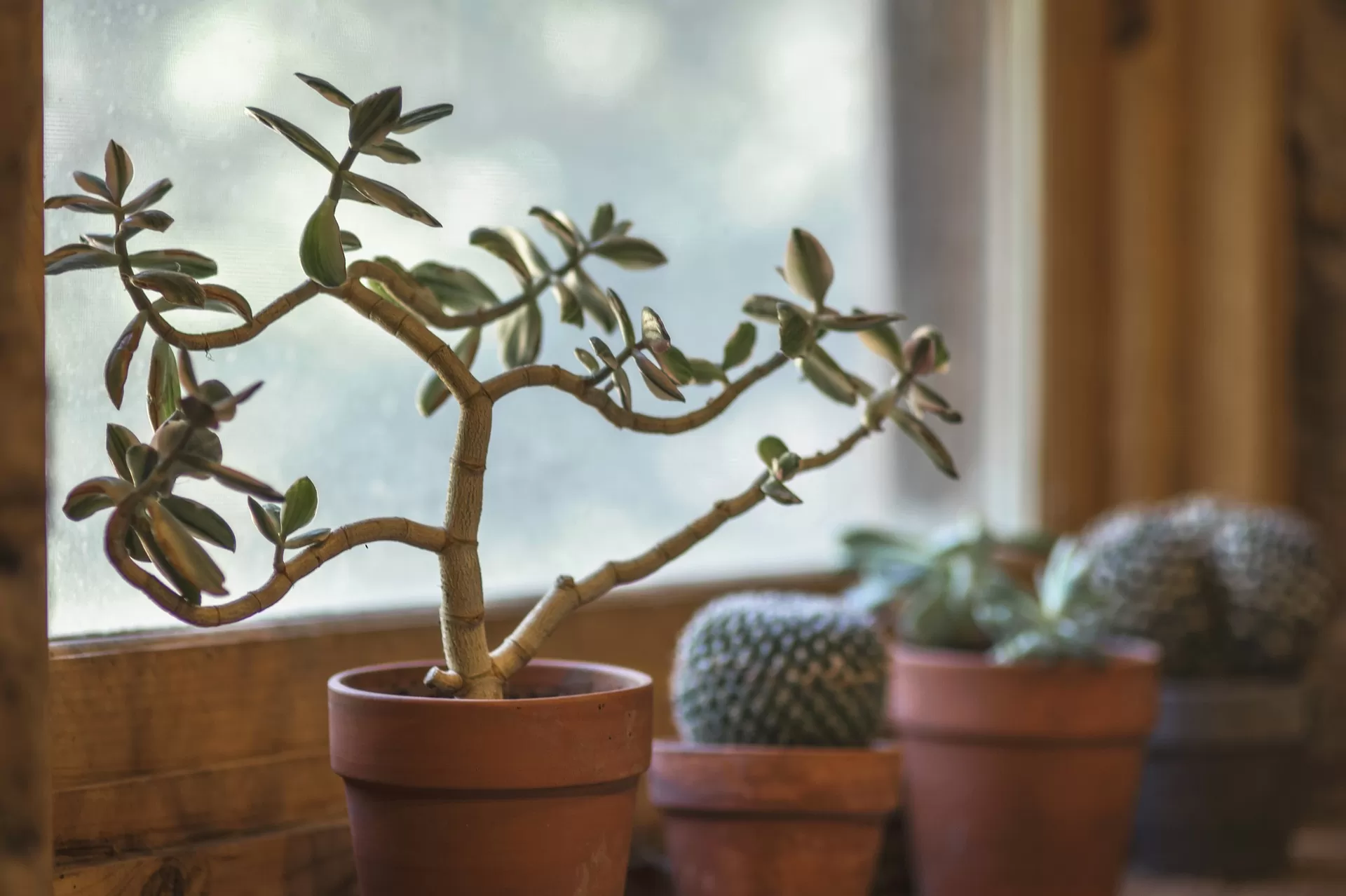
Even on a small scale, interaction with plants and nature can help us day-to-day. As many of us are spending more time than ever at home, adding greenery, flowering plants, and natural textures to our home interiors can improve wellbeing. For those working from home, there is hope it reduces stress and inspires more productivity and creativity.
There has been a love affair with all things biophilia in interiors and fashion for a few years now. Prints of foliage and blooms abound as textile and fashion designers have whole-heartedly embraced the trend. Strong floral patterns are prolific across wallpaper, fabric, and clothing. Stella McCartney even dedicated her summer 2020 campaign to celebrate the power of plants.
Biophilia inspired time-lapse
This love of flowering blooms and plants has extended into photography, print, and time-lapse videos. Clicking and watching the delicate beauty of flower petals unfold in minutes through time-lapse is mesmerising and rather calming.
Flowers and plants are incredibly intricate and beautiful to look at and using macro photography in combination with time-lapse helps to accentuate gradual developments and details that are not visible to the human eye.
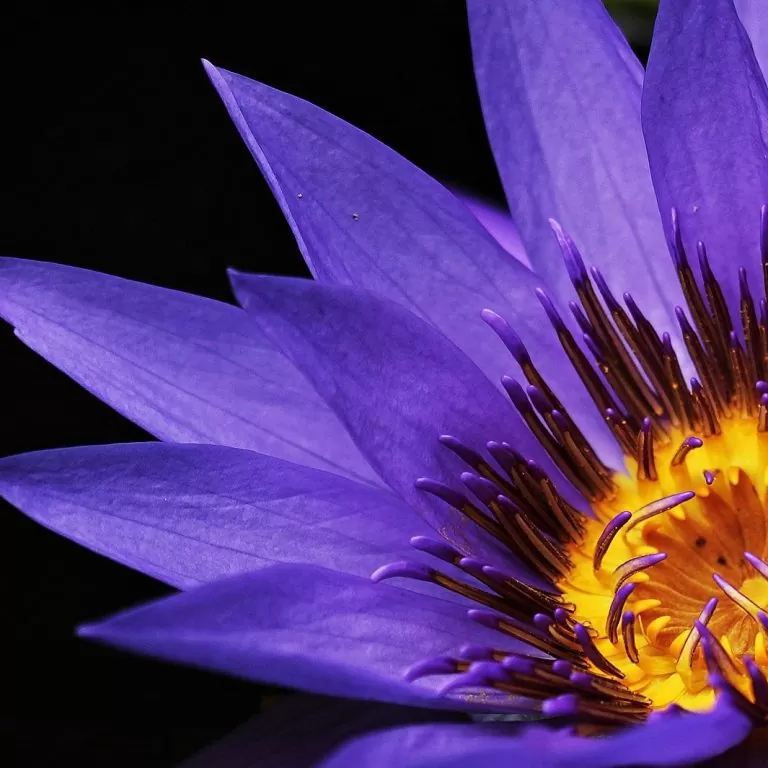
When vivid colours contrast monochrome backdrops, the ethereal beauty is quite magical, especially when accompanied by a stirring soundtrack. Dark backgrounds can emphasise every movement of stems and vibrantly coloured petals as they open and fully come into bloom as seen in this stunning Blooming Flowers Timelapse by Next Observer. The simple yet effective Lotus Flower Time-Lapse by Wyvern Films focuses on petals and buds to create a strong composition.
Again using darkened surrounds, David de Santos has produced an equally mesmerising time-lapse video Flowers Opening Timelapse II 4K of various blooming flowers, allowing us to watch flowers come to life for purely aesthetic purposes.
The simple black studio used as a backdrop to “Amazing Nature – Plants Dancing in Time Lapse” emphasises the delicate, ‘dancing’ movements that would otherwise be invisible. The acceleration that time-lapse generates exposes the movements plants perform over the course of time that cannot be comprehended in any other way. Simone Ori used a total of 7841 photos with intervals ranging from 3 to 7 minutes to produce these ‘dancing’ images. By using low angle macro photography, the subtle incremental changes of flower and plant growth are captured in detail and are made more prominent to the human eye with time-lapse.
In the time-lapse video “growth of plants in faster movements capture” by Kishore Sai, the gradual growth of plants from seed to sprouting leaves and blossoms is captured, using the macro positioning of the camera to help bring the tiniest detail into focus.
The acceleration that time-lapse generates reveals the movements and intense growth that plants and trees perform over the course of time that can’t be comprehended in any other way. Artur Homan’s Trees Can Dance captures this growth on a macro level and then creates a story as the time-lapse moves to the larger-scale setting of a forest, so the viewer can associate such detailed growth to the great outdoors.
Why use time-lapse?
Through these videos, we can witness time-lapse’s ability to isolate and emphasise the most complex of processes. Time-lapse manipulates the passage of time so that plant growth that normally evolves slowly is sped up to dramatic effect. Time-lapse captures plant and flower developments by piecing together all their different stages of growth to effectively show the process in an appealing short video.